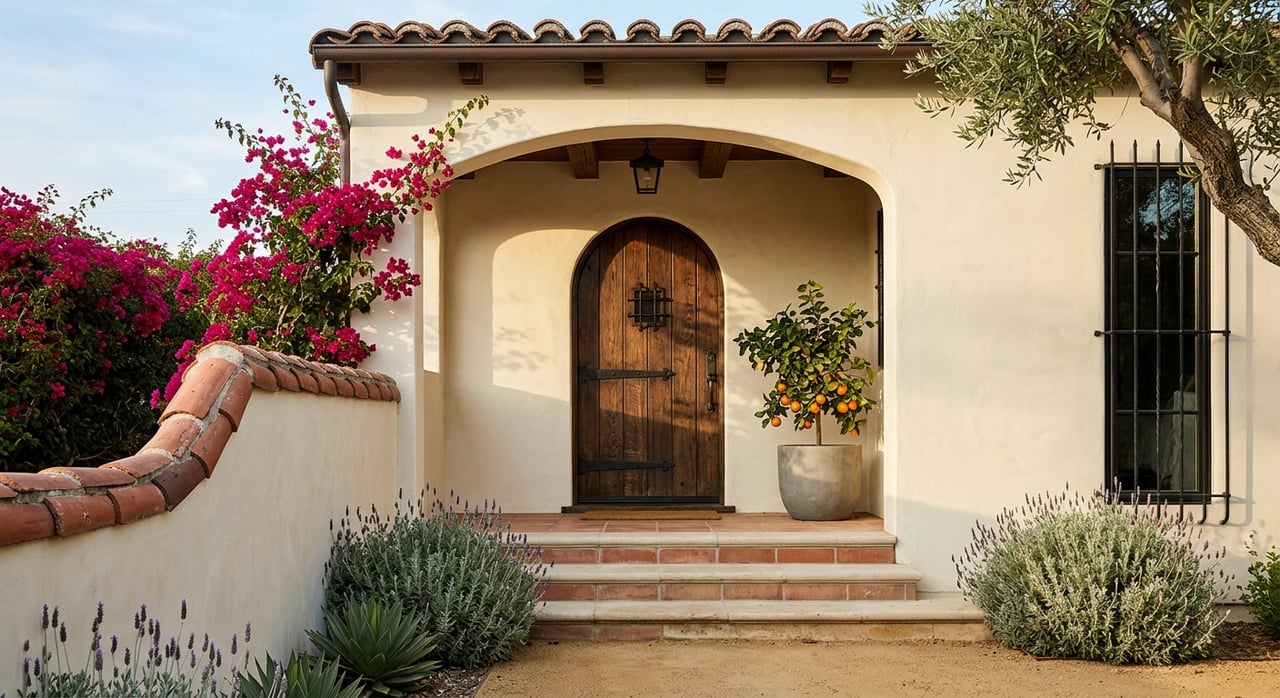
If you love homes with real point of view, Santa Barbara is hard to resist. Few places feel so visually consistent and yet so varied, with streets where adobe roots, porch-lined bungalows, red-tile roofs, and light-filled mid-century homes all belong to the same larger story. If you are drawn to architecture, considering a move, or preparing to sell a character-rich property, this guide will help you read Santa Barbara’s historic homes with a sharper eye. Let’s dive in.
Why Santa Barbara Feels Distinct
Santa Barbara stands out because its historic design language is both preserved and easy to recognize. City history materials note a built environment shaped by early adobe and Mexican-era structures, followed by the strong influence of Spanish Colonial Revival after the 1915 Panama-California Exposition and the rebuilding that followed the 1925 earthquake.
That does not mean the city has just one look. The downtown core and El Pueblo Viejo sit within a broader patchwork of neighborhoods where Victorian, period revival, eclectic revival, Craftsman, adobe, Mission Revival, and Spanish Colonial Revival influences appear in different ways. For you as a design-minded buyer or homeowner, that layered identity is part of the appeal.
Historic Homes Start With Place
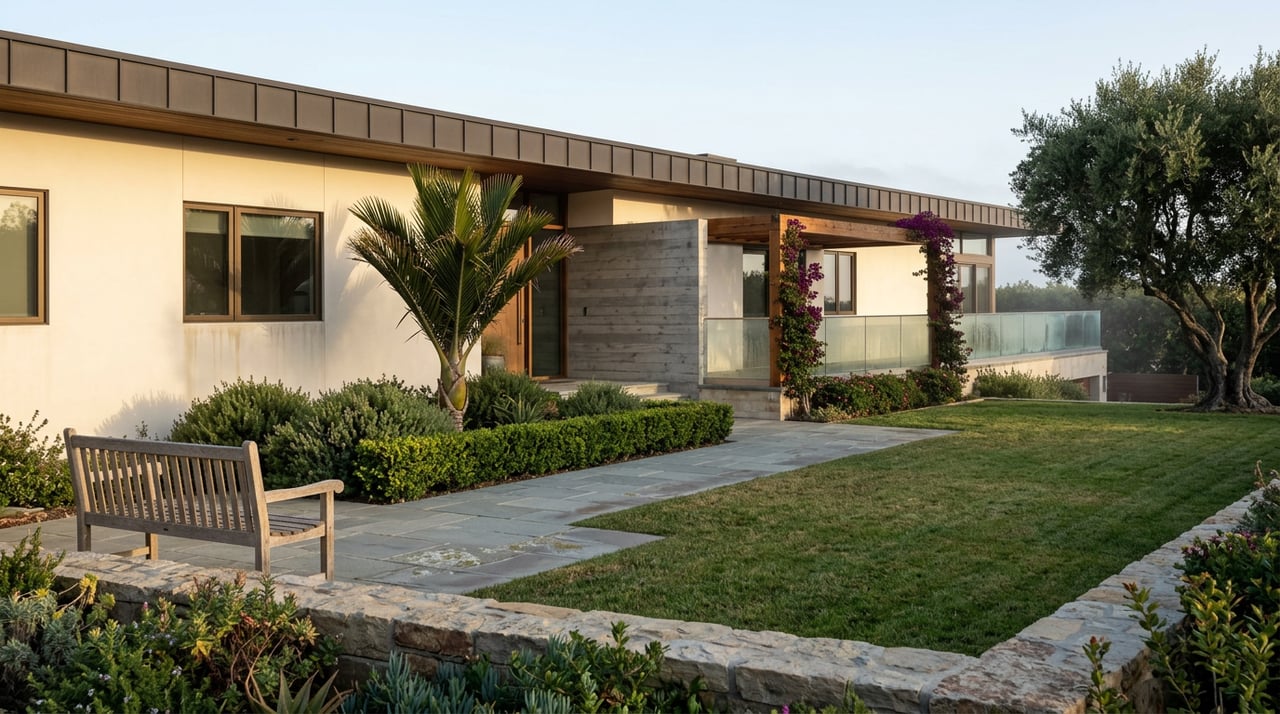
In Santa Barbara, the setting matters as much as the facade. A home’s orientation to the street, its garden relationship, its setbacks, and the way it meets the hillside or sidewalk all shape how the architecture feels.
City design materials for the Lower Riviera highlight front-to-street orientation, open front yards, walkways, fences, landscaping, and pedestrian-friendly patterns as part of neighborhood character. In hillside areas, sandstone walls, irregular streets, and sloping lots become part of the visual composition, not just background features.
That is why Santa Barbara’s historic homes often feel so cohesive. You are not just seeing a house style. You are seeing a complete composition of building, landscape, light, and topography.
Craftsman Homes Near Downtown
For many design lovers, Craftsman homes offer some of the city’s most approachable charm. Santa Barbara’s Craftsman style guide describes the style as part of the Arts and Crafts response to industrialization, with an emphasis on natural materials, simplicity, originality, and hand-crafted detail.
When you are touring a Craftsman bungalow in Santa Barbara, look for wide overhanging eaves, exposed rafter tails, short square tapered porch columns, masonry or sandstone piers, generous front windows, and wood shingle or weatherboard siding. These are often the details that give the home its warmth and tactile appeal.
Where Craftsman Character Shows Up
City materials note that Craftsman architecture thrives in neighborhoods surrounding downtown. Bungalow Haven is identified as the largest intact concentration of Craftsman bungalows in Santa Barbara, making it especially meaningful for buyers who appreciate a consistent streetscape.
The Lower Riviera guidelines describe Bungalow Haven as a neighborhood of mostly one-story bungalows with open front porches facing tree-lined streets. Small lots and Craftsman-style gardens reinforce the intimate, pedestrian-friendly feel.
City survey materials also point to the Lower De La Vina and Castillo areas as places where Victorian forms begin to give way to Arts and Crafts bungalows. If you enjoy seeing how neighborhood development evolved over time, those transitions are part of what makes Santa Barbara so interesting.
Why Craftsman Homes Feel So Livable
Craftsman homes are often as much about porch life and garden connection as they are about woodwork. Their lower rooflines, visible structure, and front-facing porches create a welcoming relationship with the street.
For you, that can translate into a home that feels grounded, scaled for daily life, and rich in detail without feeling formal. In Santa Barbara, that easy connection between house and garden is a big part of the style’s enduring appeal.
Spanish Colonial Revival Defines Santa Barbara
If one style captures Santa Barbara’s civic image most clearly, it is Spanish Colonial Revival. The city’s style guide ties its rise to the 1915 Panama-California Exposition, the work of the Planning and Planting Committee, and the rebuilding of State Street and the Pueblo Viejo area after the 1925 earthquake.
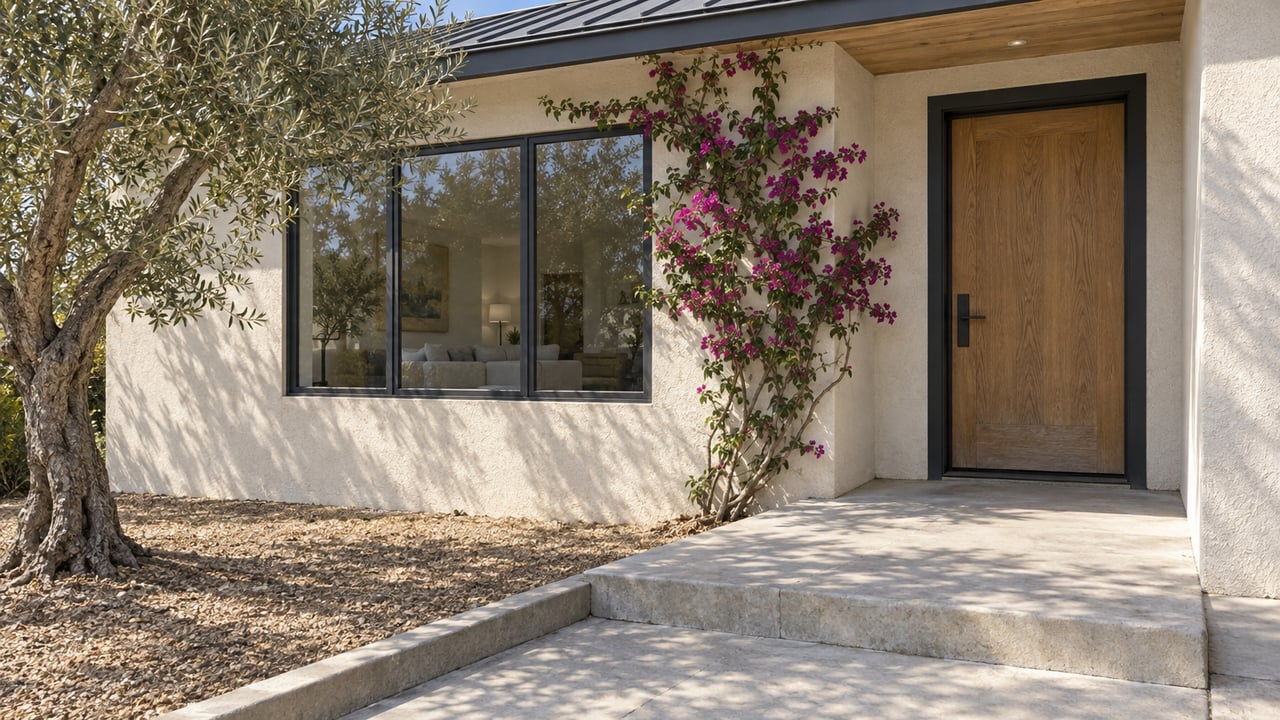
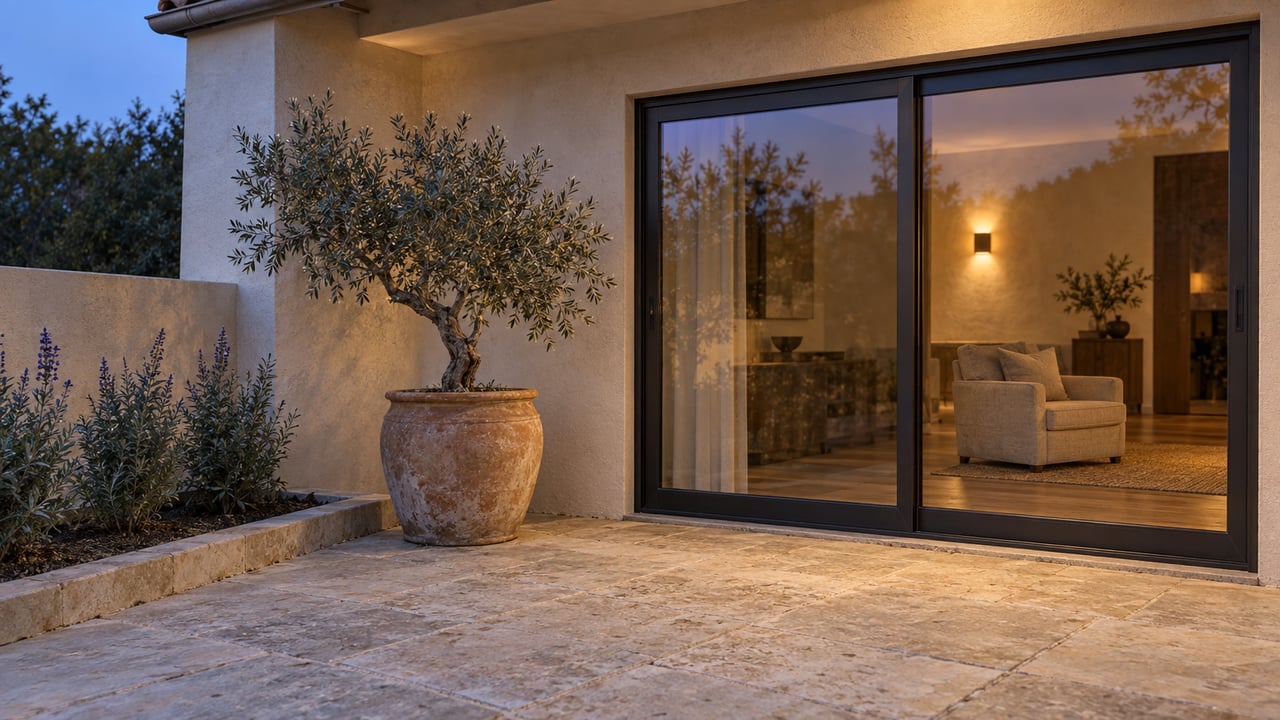
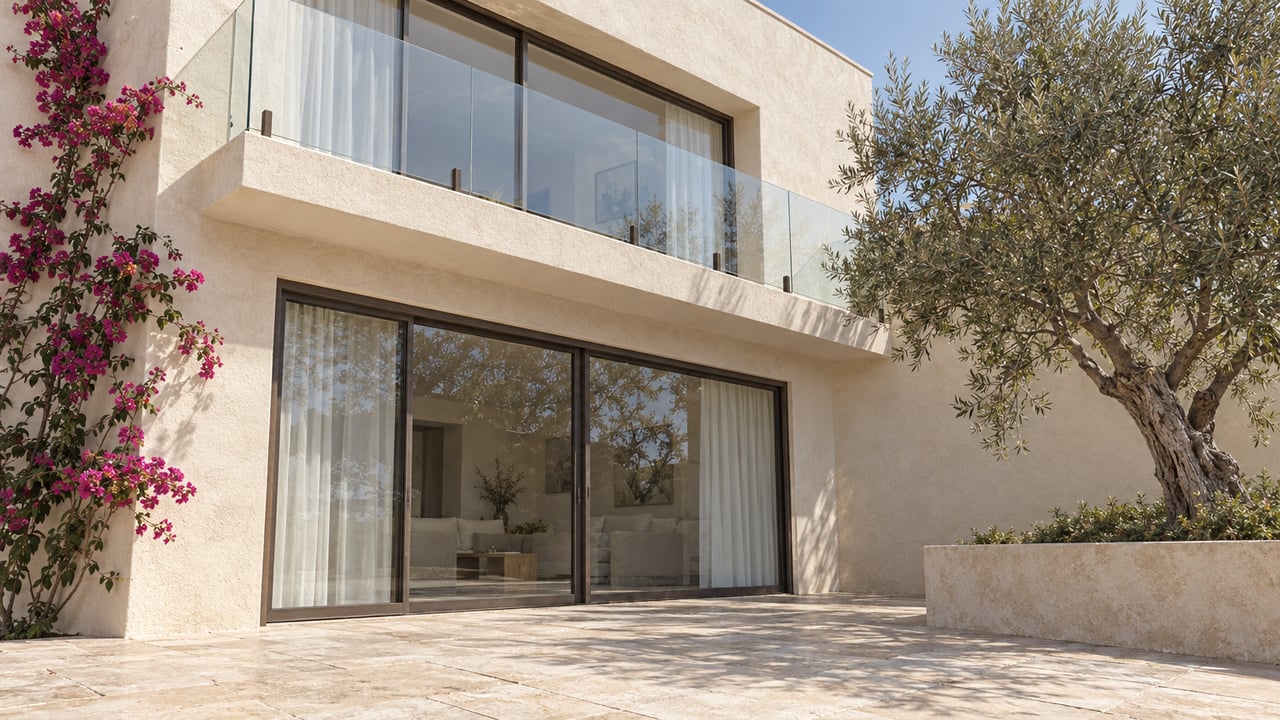
This is the architecture many people picture first when they think of Santa Barbara. Thick plaster walls, clay tile roofs, low-pitch rooflines, asymmetrical massing, recessed entries and windows, patios, balconies, and subtle wood or iron detailing all help define the look.
Where Spanish Colonial Revival Appears
The city notes that Spanish Colonial Revival examples appear throughout Santa Barbara. You can see them from State Street to the Riviera, and in multi-family buildings and hotels in West Beach and along the waterfront.
On the Riviera, city context materials describe a hillside setting where irregular streets, stonework, and expansive views work together with white plaster walls and red-tile roofs. In these settings, the architecture feels inseparable from the land.
Why This Style Resonates
Spanish Colonial Revival often organizes outdoor space differently than Craftsman homes do. Instead of emphasizing the porch and street edge, it tends to focus on recessed openings, balconies, patios, and courtyards.
For a buyer, that can create a more inward, sun-oriented feel while still taking advantage of views and landscape. It is one reason the style feels both romantic and highly functional in Santa Barbara’s climate.
Mid-Century Homes With Local Texture
Santa Barbara’s mid-century homes deserve a closer look, especially if you appreciate clean lines but still want a strong sense of place. Rather than reading as a sharp break from the city’s older architecture, many local examples feel like a quieter continuation of it.
City materials point to the 1956 Thornton Ladd house at 1920 Garden Street, designated as a mid-century modern Structure of Merit, with terrazzo detailing and large glass windows that bring the landscape into the home. That indoor-outdoor connection is a defining part of the experience.
Where To Notice Mid-Century Influence
In the Lower Riviera, city staff describe postwar houses on Diana Road and Diana Lane as rectilinear homes with large windows, sandstone retaining walls, and a mid-century interpretation of Mediterranean and Spanish Colonial forms. Later 1950s houses on Roble Lane and Arbolado Road are described as more stripped-down and modern, with aluminum windows and simplified materials.
For you, this means Santa Barbara mid-century design may feel softer and more regionally connected than the style does in some other cities. You may still find stucco, tile, sandstone, and strong landscape relationships, just with less ornament and more glass.
Why Mid-Century Still Feels Santa Barbara
The city’s examples suggest a pattern of more light, more landscape connection, and cleaner forms, while still staying rooted in the area’s Mediterranean visual language. If you love simplicity but do not want a home that feels disconnected from its surroundings, that balance can be especially appealing.
In practical terms, these homes often reward careful attention to siting, window placement, and outdoor spaces. Their beauty tends to come from proportion, light, and material restraint rather than decorative detail.
How To Read A Historic Home Well
When you visit a historic home in Santa Barbara, try to look beyond surface charm. The most compelling properties usually express a clear design idea through both architecture and setting.
Ask yourself:
- How does the house meet the street or hillside?
- Are the materials consistent with the home’s style?
- Do the windows, rooflines, porches, patios, or balconies feel integral to the design?
- Does the landscape support the architecture rather than compete with it?
- Is the home’s character coming from original proportions and details, not just decorative updates?
For buyers, these questions can help you separate true architectural coherence from a home that simply borrows historic cues. For sellers, they can also guide preparation and presentation before bringing a property to market.
Stewardship Matters In Historic Ownership
Owning a historic or character-rich home often means thinking like a steward as well as an owner. A useful preservation framework is to focus on ongoing maintenance and repair of existing form, features, and materials, while making sensitive updates that keep the home functional.
That approach fits Santa Barbara particularly well because so much of the city’s appeal comes from visible original materials and proportions. The goal is not to freeze a home in time. It is to preserve what gives it identity.
Key Maintenance Themes To Keep In Mind
For many Santa Barbara historic homes, roof care, stucco or plaster upkeep, and original window maintenance are part of the ownership story. Preservation guidance notes that historic stucco is especially vulnerable to water damage and that age and deferred maintenance can speed deterioration.
Historic wood windows also contribute meaningfully to architectural character and are often worth repairing and retaining where possible. If you are evaluating a purchase or preparing a sale, these are not just repair items. They are part of the home’s design value.
What Buyers And Sellers Should Notice
If you are buying, Santa Barbara’s historic homes reward patience and close observation. The most desirable properties often pair strong architectural identity with a neighborhood setting that supports it, whether that means a porch-oriented bungalow street, a courtyard-centered Spanish Colonial property, or a hillside mid-century home with strong indoor-outdoor flow.
If you are selling, design clarity can shape how your home is perceived. Thoughtful presentation, respect for original character, and a clear understanding of the property’s architectural story can help the right buyer appreciate what makes it special.
For design-minded clients, that is where experienced local guidance matters. A home’s value is not only about square footage or location. In Santa Barbara, it is often also about provenance, composition, and how well the property expresses the character of its setting.
If you are considering buying or selling a historic or architecturally significant home in Santa Barbara, Lisa Foley offers calm, design-informed guidance rooted in deep local knowledge and a genuine respect for the homes that define this coast.
FAQs
What architectural styles are common in Santa Barbara historic homes?
- Santa Barbara city materials identify Adobe, Craftsman, Mission Revival, and Spanish Colonial Revival among prevalent local styles, with Victorian, period revival, eclectic revival, and some mid-century buildings also contributing to the city’s historic character.
Where can you find Craftsman homes in Santa Barbara?
- Craftsman homes are especially common in neighborhoods surrounding downtown, and city materials identify Bungalow Haven as the largest intact concentration of Craftsman bungalows in Santa Barbara.
What defines Spanish Colonial Revival homes in Santa Barbara?
- Common features include smooth plaster or stucco walls, clay tile roofs, low-pitch rooflines, asymmetrical massing, recessed entries and windows, patios, balconies, and subtle wood or iron details.
How are Santa Barbara mid-century homes different from other mid-century homes?
- City examples suggest many Santa Barbara mid-century homes combine modern features like large windows and cleaner lines with local materials and Mediterranean-influenced elements, creating a strong connection to landscape and place.
What should you look for when touring a Santa Barbara historic home?
- Pay attention to how the house relates to its site, whether the materials and details are consistent with the style, and whether features like porches, patios, windows, and landscaping feel original to the home’s design approach.
Why does neighborhood setting matter for Santa Barbara historic homes?
- City design guidance shows that setbacks, front yards, walkways, landscaping, orientation, and hillside conditions all help shape neighborhood character, so the experience of a historic home often depends on the street and setting as much as the building itself.