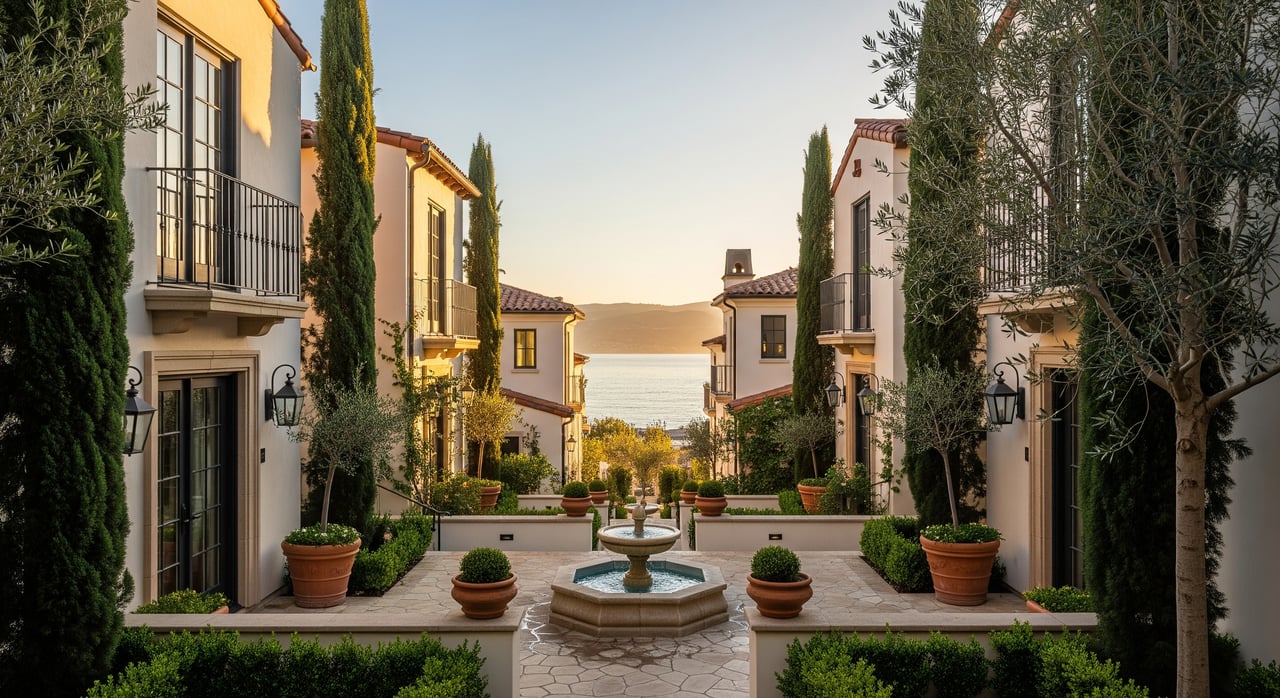
Are you drawn to the ease of coastal condo living at Montecito Shores, but unsure how HOA life actually works day to day? You are not alone. Many buyers love the location and lock-and-leave convenience, yet want clarity on rules, approvals, budgets, and leasing before they commit. This guide explains what to expect at Montecito Shores and neighboring Bonnymede, what to review before you offer, and how to navigate approvals with confidence. Let’s dive in.
What HOA living means in Montecito
Montecito is an unincorporated community within Santa Barbara County. That means county agencies handle permits and many municipal services. In addition, properties close to the shoreline can fall under the California Coastal Commission for certain exterior changes.
Condominium communities like Montecito Shores and Bonnymede are governed by the California Davis‑Stirling Common Interest Development Act and the HOA’s recorded CC&Rs, Bylaws, and Rules. You agree to these rules when you buy. In practice, this means HOA approvals and county or coastal permits can both apply, especially for exterior work or any activity that could affect coastal resources.
The key takeaway for you is simple. Plan for two layers of oversight. You must satisfy HOA approvals and any county or Coastal Commission permits for exterior modifications or for certain rental activity.
How the HOA is structured
Most Montecito condo HOAs follow a clear structure: owners are members, members elect a Board of Directors, and the Board may use committees such as architectural, finance, or landscape. The Board carries fiduciary duties to maintain common areas, set assessments, adopt budgets, manage vendors, and enforce rules.
Daily operations are often delegated to a professional management company. Procedures for meetings, voting, and notices live in the CC&Rs and Bylaws. When you review documents, confirm how elections work, how rules are adopted, and how owners can participate.
Budgets, dues, reserves, and assessments
Monthly dues fund the operating budget. Typical line items include common-area maintenance, master insurance for buildings and shared spaces, utilities for common areas, management fees, landscaping, and routine repairs.
Healthy HOAs maintain a separate reserve fund supported by a reserve study. The reserve study estimates long‑term repair and replacement costs for major components like roofs, decks, paving, elevators, and building systems. Adequate reserves reduce the risk of sudden special assessments.
If reserves are thin or a major repair arises, an HOA can levy a special assessment. Review the last two to three years of budgets and financial statements, any history of special assessments, and the current reserve plan to gauge future risk.
Maintenance and insurance essentials
Common‑area upkeep is typically handled through vendor contracts for landscaping, building exteriors, and systems such as pools or spas where applicable. Ask for recent capital projects and maintenance schedules to understand the property’s condition and near‑term spending needs.
The HOA carries a master property and liability policy that covers buildings and common areas to the extent defined in the policy. As an owner, you carry an HO‑6 policy for interior coverage, contents, loss assessment, and liability. Pay special attention to the master policy’s deductible and loss assessment provisions so you can size your own coverage appropriately.
Rules, approvals, and leasing to expect
Most HOAs require prior approval for exterior or visible changes. Architectural rules often cover windows, decks, fences, hardscape, and sometimes interior work if it affects structure or common systems. Expect to submit a written request with plans and wait for committee and Board review.
Use rules typically address parking, noise, storage, balconies, satellite dishes, BBQs, smoking, and pets. Enforcement mechanisms and fines should be outlined in the Rules and in the CC&Rs. Read these items closely to confirm that your intended use aligns with the community.
Leasing policies are significant in coastal communities. Many HOAs set a minimum lease term, track tenant registrations, and may cap the percentage of units that can be rented at one time. Some prohibit short‑term vacation rentals entirely. In addition, Santa Barbara County can regulate short‑term rentals. Your lease must comply with both HOA rules and county requirements.
For Montecito Shores and Bonnymede, confirm the minimum lease term, any rental cap, tenant screening requirements, and how consistently the HOA enforces its leasing rules. Ask for examples in recent meeting minutes to understand enforcement patterns.
Typical timelines and approvals
Architectural review often takes 30 to 60 days from a complete submission. If your project changes the exterior or could be visible from the shoreline, factor additional time for county and possible Coastal Development Permit review.
Lease registrations and tenant screening are commonly processed within 30 days, depending on the HOA’s procedures. Plan ahead if you intend to rent soon after closing.
For closings, an estoppel or resale certificate is standard. Many management companies deliver this within one to two weeks, though turnaround can vary. Build flexibility into your escrow timeline in case documents take longer.
Documents to review before you offer
Request these items early so you can write a confident offer:
- CC&Rs, Bylaws, and current Rules or House Rules
- Most recent reserve study and reserve funding plan
- Current year budget and two to three years of financial statements
- Meeting minutes for the past 12 to 24 months
- Insurance certificate or master policy summary with deductibles
- Any notices of pending litigation or unresolved claims
- Estoppel or resale certificate requirements and fees
- Management company contract and primary contacts
- Architectural guidelines and any open violations tied to the unit
- Parking assignments, storage rules, and a common‑area map
- Vendor contracts for key services when relevant
Why these documents matter
- CC&Rs, Bylaws, Rules. Define what you can do, how the community operates, and how rules are enforced.
- Reserve study and financials. Indicate whether dues and reserves are sufficient or if special assessments are likely.
- Minutes. Reveal upcoming projects, dispute history, and enforcement trends.
- Insurance and estoppel. Clarify coverage, deductibles, and account status so you can close cleanly and budget well.
Practical due diligence checklist
Before you write:
- Ask the listing agent or seller for governing documents, the latest budget, the most recent reserve study, and at least 12 months of minutes.
- Confirm master policy coverage and deductibles. Coordinate with your insurance agent on HO‑6 and loss assessment coverage.
- Ask about any current or planned special assessments and major projects.
- Verify leasing rules, including minimum lease term, any rental cap, required approvals, and tenant screening steps.
Build these contingencies into your offer:
- Receipt and approval of the HOA resale or estoppel packet
- Satisfactory review of financials, the reserve study, minutes, and litigation disclosures
- HOA approval contingency for any planned alterations or leasing you rely on
- Inspection contingency focused on the unit and building envelope, including roof, decks, structure, and water intrusion
- Financing contingency and any lender‑required HOA documentation
Timeline expectations:
- Resale or estoppel packet. Often 1 to 2 weeks, sometimes longer.
- Architectural approvals. Plan for 30 to 60 days. Add time for any county or coastal permits.
- Lease registrations. Often within 30 days, but check the Rules.
Whom to consult:
- Your real estate agent who knows Montecito condos and HOA practices
- A California real estate attorney for complex restrictions or litigation
- Your lender for project approval standards and required HOA documents
- Your insurance agent to optimize HO‑6 coverage and assess risks
Montecito Shores and Bonnymede specifics to verify
Every HOA is unique. For Montecito Shores and Bonnymede, sharpen your review in these areas:
- Leasing. Confirm minimum lease term, any rental cap, tenant registration, and screening procedures. Check minutes for enforcement history.
- Architectural control. Review the architectural guidelines and any recorded restrictions. Ask about recent variance approvals or denials.
- Reserves and capital projects. Study the reserve plan for roofs, exterior maintenance, paving, or elevators. Cross‑check minutes for timing and scope.
- Insurance. Understand the master policy deductible and how loss assessments are handled.
- Vendor contracts. Note contract terms for management, landscape, and building systems, since renewals can affect dues.
A calm, local path to closing
HOA living at Montecito Shores can offer a low‑maintenance coastal lifestyle if you enter with clarity. Focus on the governing documents, financial health, and approval timelines. Confirm leasing rules early if you plan to rent. With a complete resale packet and the right contingencies, you can make a confident, well‑timed decision.
If you would like guidance tailored to Montecito Shores or Bonnymede, connect with Lisa Foley. You will get neighborhood‑rooted insight, HOA fluency, and steady support from offer through closing.
FAQs
What is the Davis‑Stirling Act for Montecito condo buyers?
- It is California’s legal framework for HOAs that sets rules for governance, disclosures, reserves, meetings, and owner rights in communities like Montecito Shores.
How do leasing rules affect rentals at Montecito Shores?
- Many coastal HOAs require a minimum lease term, tenant registration, and may cap rentals, so verify the exact policy and check county rules before you plan to rent.
Are short‑term vacation rentals allowed in these condos?
- It depends on both HOA rules and Santa Barbara County regulations; check the HOA’s leasing policy and confirm county requirements for any short‑term use.
How long do HOA approvals take for renovations?
- Architectural reviews commonly take 30 to 60 days after a complete submission, and exterior changes may also require county or coastal permits that add time.
What insurance coverage do I need as an owner?
- The HOA carries a master policy for buildings and common areas, and you typically carry an HO‑6 policy for interior coverage, contents, liability, and loss assessment.
What documents should I review before buying in Montecito Shores?
- Request CC&Rs, Bylaws, Rules, the reserve study, recent financials, minutes, insurance summary, litigation notices, architectural guidelines, and the resale or estoppel packet.
Could there be special assessments in the future?
- Review the reserve study, funding levels, and minutes for planned projects; strong reserves reduce risk, while upcoming capital work may increase the chance of assessments.