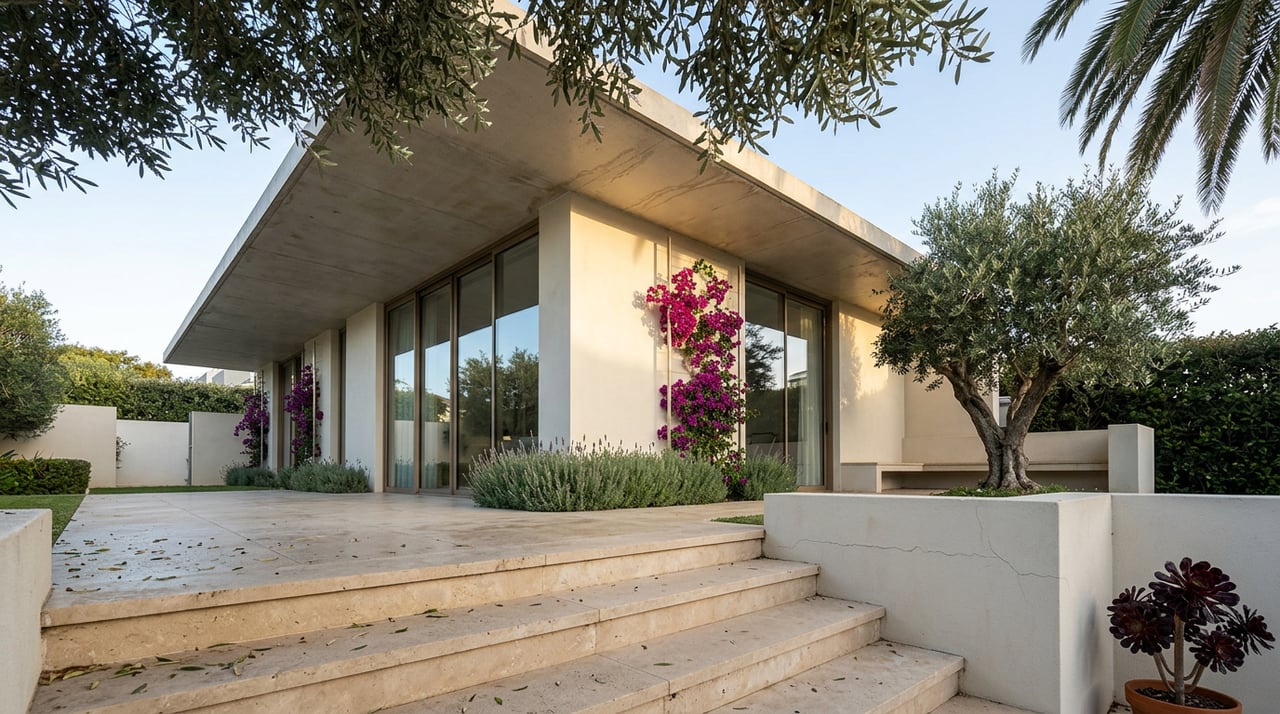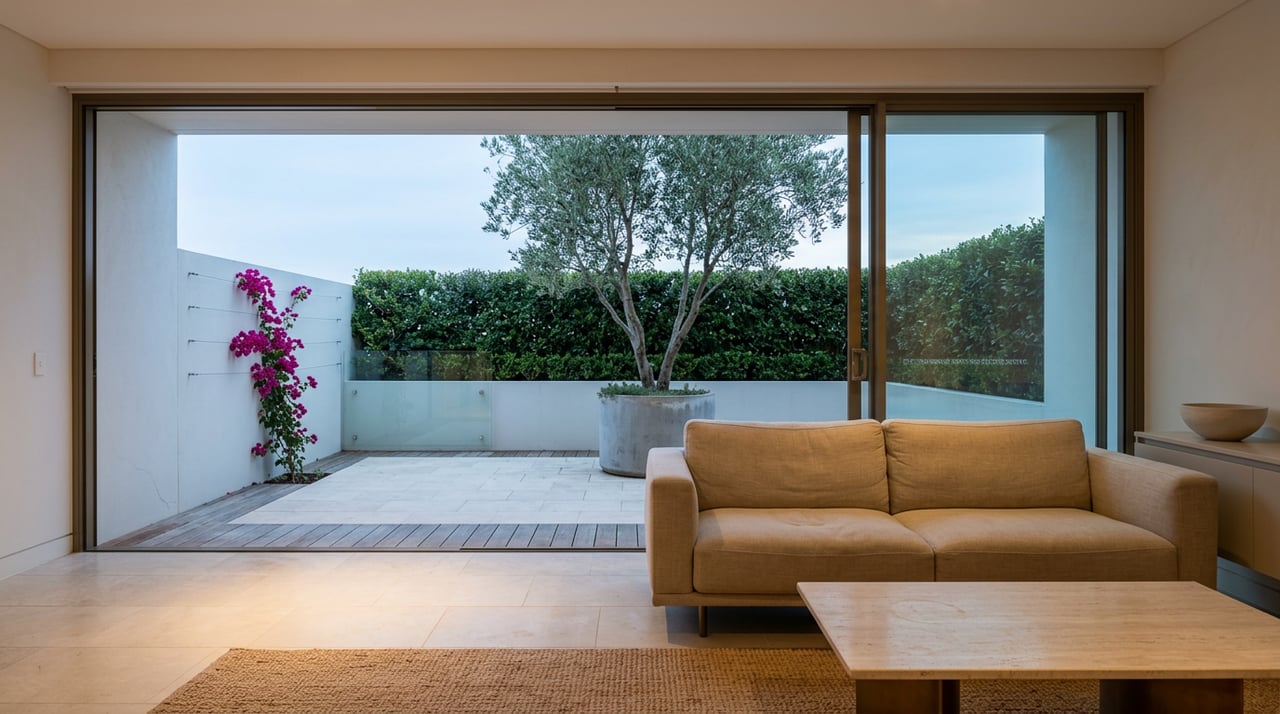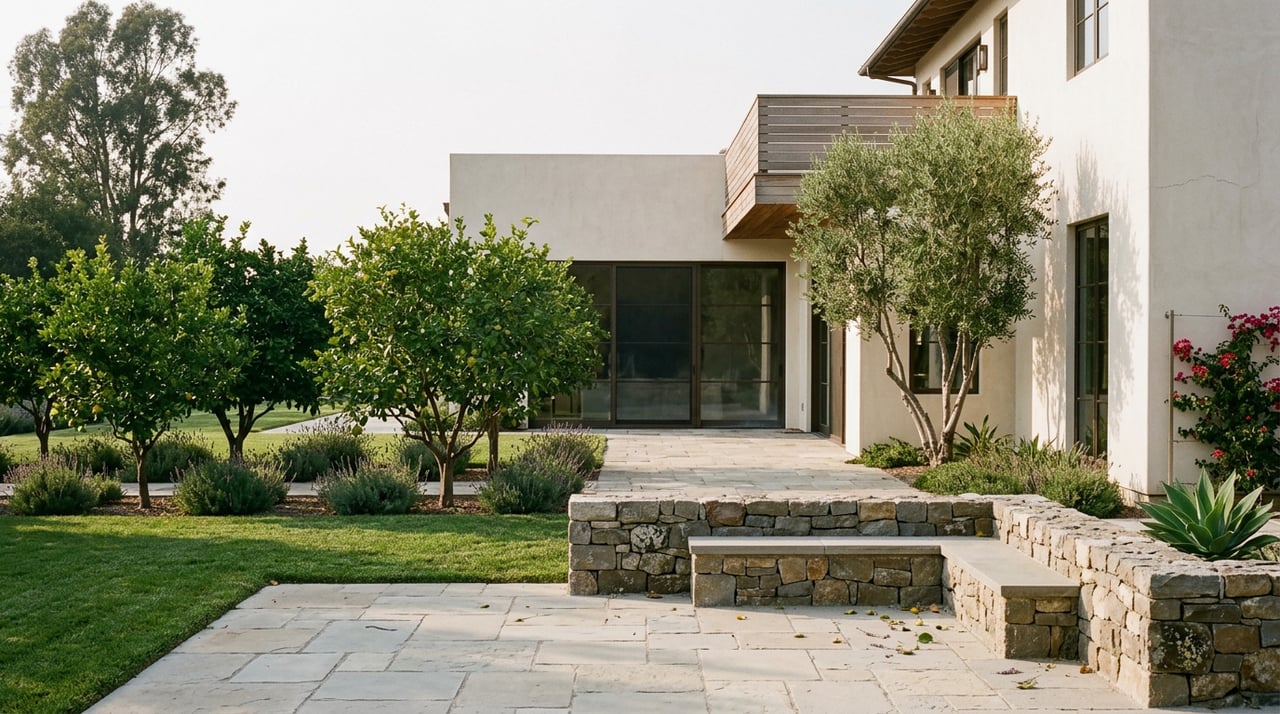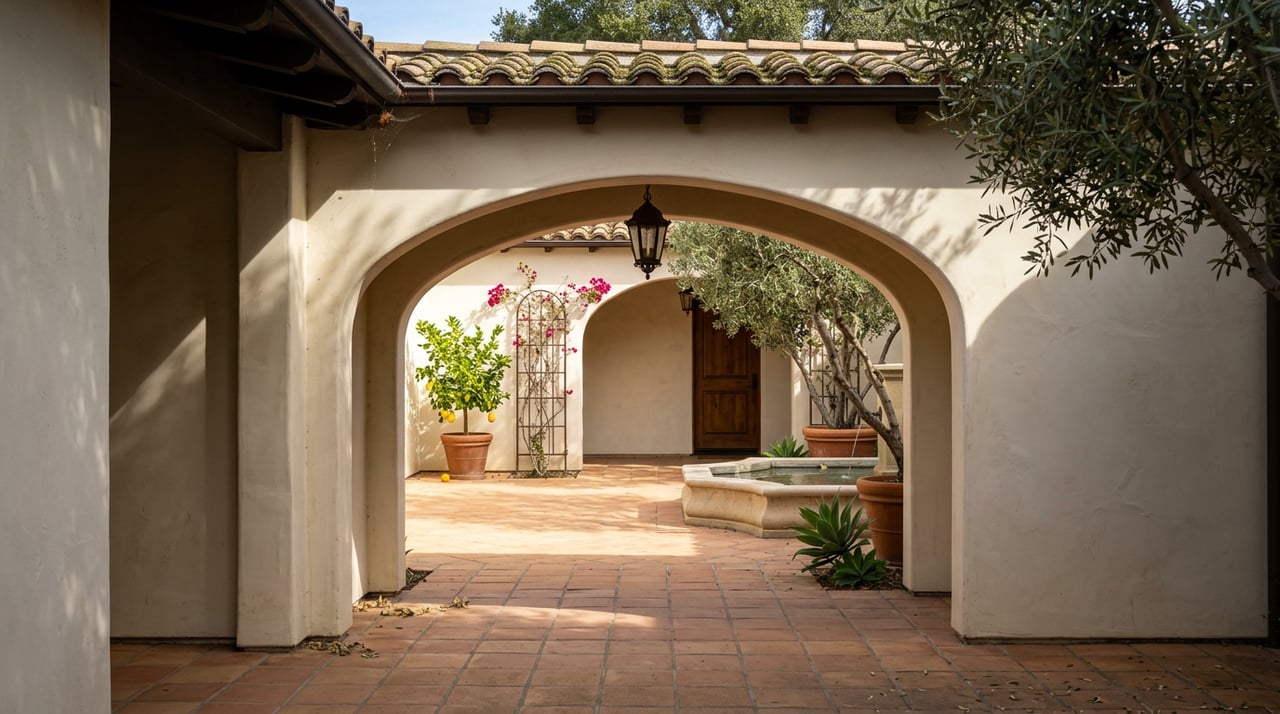
If you are deciding between a condo and a coastal single-family home in Santa Barbara, the question is not just about price. It is about how you want to live, how much control you want over your property, and how much ongoing responsibility you are comfortable carrying. In a market shaped by limited inventory, HOA rules, and distinct coastal submarkets like Montecito, the right fit often comes down to lifestyle as much as square footage. Let’s dive in.
Price Differences in Santa Barbara
For many buyers, the first major contrast is cost of entry. Santa Barbara South Coast MLS data from April 2026 show a year-to-date median sold price of $1,020,000 for condos versus $2,124,000 for home estates and PUDs. That is a meaningful gap, and it helps explain why condos often serve as the more accessible entry point into the coastal market.
It is also important to look closely at what those broader numbers include. The same April 2026 report shows that when Hope Ranch and Montecito are excluded, the median for home estates and PUDs drops to $1,827,000. That tells you high-end enclaves can significantly skew South Coast pricing.
Montecito operates on a different tier altogether. Redfin reported a March 2026 Montecito median home price of $5.7 million, with an average of 143 days on market. Realtor.com also showed 83 active listings in Montecito, while only 10 condos were listed for sale there, which highlights how limited condo inventory can be in that area.
Condos Offer Lower-Maintenance Living
One of the clearest advantages of condo ownership is the shared maintenance structure. In California common-interest developments, the HOA is created to own, operate, and maintain common improvements over time. That often includes shared landscaping, walkways, parking, and other common areas.
For you as an owner, that can mean less day-to-day responsibility for exterior upkeep. If your goal is a simpler lock-and-leave lifestyle, especially for a second home, that structure may feel appealing. In many coastal communities, that lower-maintenance model is part of the value proposition.
That said, condo ownership is not the same as detached ownership. The California Department of Real Estate explains that condo owners hold a separate interest in their unit along with an undivided interest in common areas. In some detached condominium projects, owners may still be responsible for the entire residence, including the roof, if the homes are structurally independent and separately insurable.
What HOA Dues Really Support
HOA dues are not just a monthly fee you pay and forget. According to the California Department of Real Estate, HOA budgets are expected to cover operating costs and reserve planning for future repairs and replacements. The California Attorney General also notes that HOAs are generally governed by CC&Rs, bylaws, and board rules, and they commonly collect dues and assessments.
In practical terms, this means you should look beyond the amount of the dues. A well-run HOA may help reduce surprises by planning ahead for major work. A poorly funded HOA can create risk later, even if the monthly dues initially seem attractive.
California law places some limits on how far an HOA board can go without owner approval. Under Civil Code section 5605, an HOA generally may not raise regular assessments by more than 20% or impose special assessments over 5% of budgeted gross expenses without member approval, though emergency exceptions can apply. Section 5615 also requires 30 to 60 days' notice of assessment increases.
Single-Family Homes Offer More Control
If privacy, separation, and autonomy sit high on your list, a coastal single-family home may be the better match. Detached ownership usually gives you more control over your property and a greater sense of independence. For many buyers, that includes more flexibility around design choices, outdoor use, and the feel of having your own space.
That greater control comes with greater responsibility. In most detached ownership situations, you carry more of the upkeep, replacement risk, and insurance exposure yourself. Roofs, exterior surfaces, landscaping, and long-term maintenance planning typically fall more directly on the owner.
For some buyers, that trade-off is well worth it. A single-family coastal property can offer a level of privacy and stewardship that is harder to replicate in a shared building or managed community. In Santa Barbara’s higher-end coastal enclaves, that control is often part of the appeal.
HOA Rules Can Shape Your Experience
Whether you are considering a condo or a home in a planned community, HOA governance deserves careful attention. The California Department of Real Estate advises buyers to review CC&Rs, bylaws, budgets, reserve planning, annual reports, meeting minutes, rental rules, and architectural guidelines during due diligence. These documents can tell you a great deal about how a community operates.
Architectural controls are especially relevant in coastal areas where appearance and consistency matter to owners and associations alike. The DRE notes that these controls are commonly used to preserve and enhance property values, but they can also limit or delay exterior changes. If you care deeply about remodeling, exterior updates, or design freedom, those rules matter.
This is one area where a hyper-local advisor can add real value. In communities where approvals, design standards, and governing documents affect how you can use and improve a property, understanding the process early can save time and frustration later.
Rental Plans Require Extra Caution
If part of your decision depends on rental income, Santa Barbara requires close review. The City of Santa Barbara states that short-term rentals are regulated as hotels, are allowed only in zones where hotels are allowed, and are prohibited in single-unit and two-unit residential zones. The city also notes that short-term rentals are not permitted in most areas of the city.
The rules are not static. Santa Barbara is actively rewriting its short-term rental ordinance, and it distinguishes between whole-unit short-term rentals and hosted home shares where the owner or designated host is physically present. If rental flexibility matters to you, assumptions can be costly.
County rules may also apply depending on the property location. Santa Barbara County maintains an active short-term rental ordinance project for coastal and non-coastal zones, so buyers in Montecito-adjacent areas should confirm zoning and permitting requirements before counting on short-term income. In addition, private HOA rules may further restrict rentals.
Why This Matters for Condos and Homes
It is easy to assume a condo is the more investment-friendly choice because it may require less exterior upkeep. In reality, rental potential may be limited by city rules, county oversight, HOA restrictions, or all three at once. The same is true for single-family homes in certain zones or associations.
That is why rental strategy should be treated as property-specific, not category-specific. Before you compare projected income, you need to understand the actual legal and private-use framework attached to a given address.
Long-Term Value Trends Matter Too
Both condos and home estates have seen substantial long-term price growth on the South Coast. SBAOR’s April 2026 charts show the median sales price for home estates and PUDs rising from $827,500 in 2009 to $2,124,000 in 2026 year to date. Over the same period, condo median sales price rose from $483,750 to $1,020,000.
That history suggests both property types have participated in Santa Barbara’s long-term coastal appreciation. At the same time, condos have consistently remained the lower-cost entry point. If your priority is getting into the market with lower upfront cost, that matters.
Still, median prices have limits. Local reporting from the Santa Barbara Independent points out that median shifts do not describe the value change of any one specific property. They reflect the mix of what sold, not a guaranteed pattern for every home or condo.
Today’s Market Favors Careful Comparison
The broader Santa Barbara market remained seller-leaning at the start of 2026, but local reporting indicated it was more balanced than the pandemic-era market. Buyers had longer days on market and more time to compare options. That is useful if you are deciding between two very different ownership experiences.
In this kind of environment, headline price should not be your only filter. You are often better served by weighing HOA quality, reserve strength, maintenance exposure, privacy, and rental limits side by side. Those factors can shape your ownership experience as much as the purchase price itself.
Which Option Fits Your Goals?
A condo may suit you best if you want a lower entry price, less exterior maintenance, and a more managed ownership structure. That can be especially appealing for a second home, a simplified coastal base, or a buyer who values convenience and shared amenities. In Santa Barbara, condos often open the door to coastal ownership at a meaningfully lower price point.
A coastal single-family home may be the stronger fit if you value privacy, control, and direct stewardship of the property. That can be a powerful advantage if you care about space, design decisions, or the long-term experience of owning a detached home in a coastal setting. The trade-off is that more upkeep and more decision-making usually rest with you.
The right answer is rarely one-size-fits-all. In Santa Barbara, and especially in Montecito and nearby enclaves, the best choice often comes from matching the ownership structure to your lifestyle, plans, and tolerance for complexity.
If you are weighing a condo against a coastal single-family home and want local guidance grounded in market context, HOA fluency, and neighborhood nuance, Lisa Foley can help you evaluate the trade-offs with clarity and care.
FAQs
What is the main price difference between Santa Barbara condos and single-family homes?
- April 2026 South Coast MLS data showed a year-to-date median sold price of $1,020,000 for condos and $2,124,000 for home estates and PUDs, making condos the lower-cost entry point overall.
What should you review before buying a Santa Barbara condo?
- You should review the HOA’s CC&Rs, bylaws, budget, reserve planning, annual reports, meeting minutes, rental rules, and architectural guidelines to understand costs, restrictions, and community management.
How do HOA fees work in Santa Barbara condo communities?
- HOA dues generally support common-area operations, maintenance, and reserve planning for future repairs and replacements, and California law limits certain increases without member approval except in some emergencies.
Are short-term rentals allowed in Santa Barbara condos or homes?
- In the City of Santa Barbara, short-term rentals are regulated as hotels and are not permitted in most areas, including single-unit and two-unit residential zones, so you should verify both local rules and any HOA restrictions for a specific property.
Why are Montecito condo options so limited compared with homes?
- Realtor.com reporting cited in the research showed 83 active Montecito listings and only 10 condos for sale, which indicates condos make up a small share of available inventory in that market.
Do Santa Barbara condos and homes both appreciate over time?
- South Coast MLS charts show long-term median price growth in both categories since 2009, although condos have remained the lower-cost option while detached home medians have risen to a much higher level.