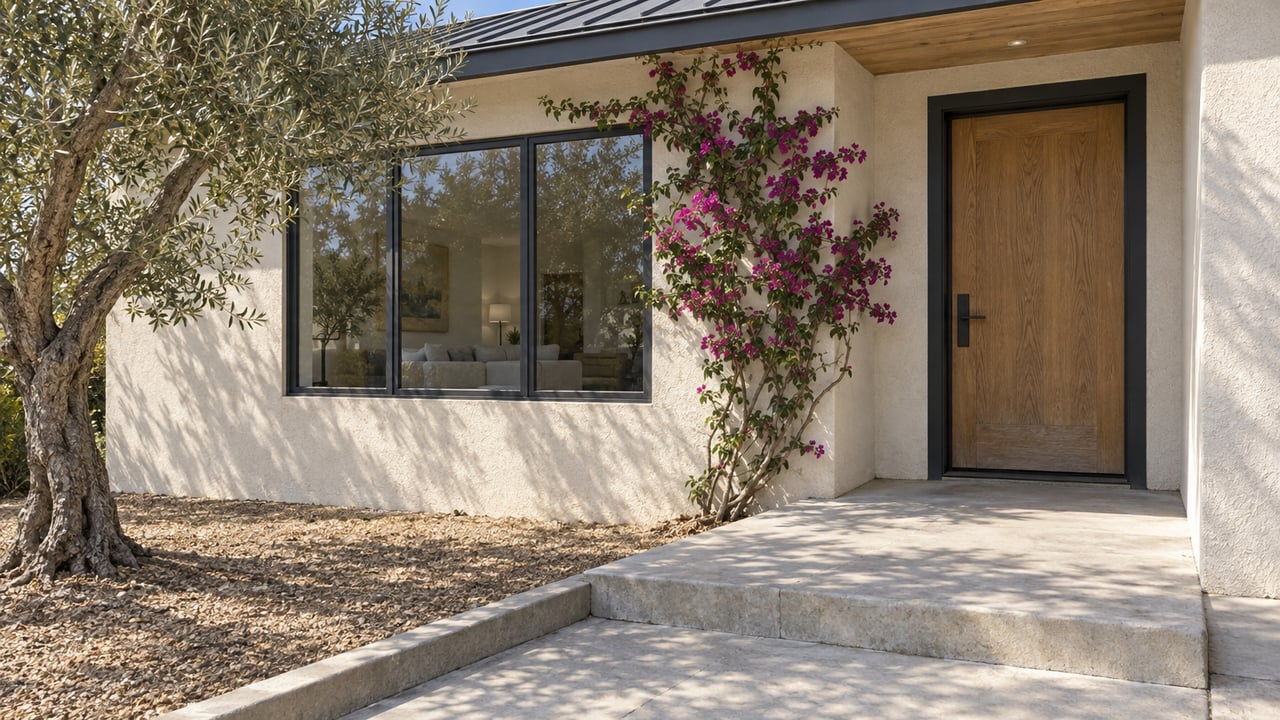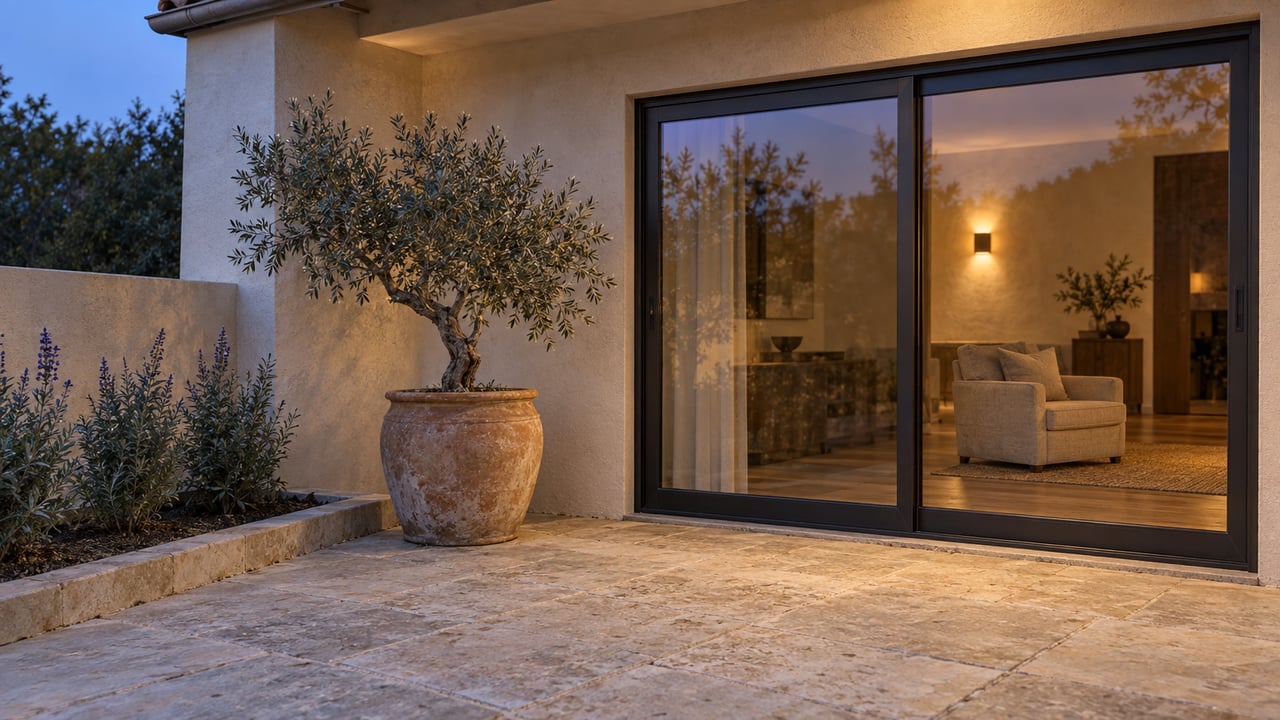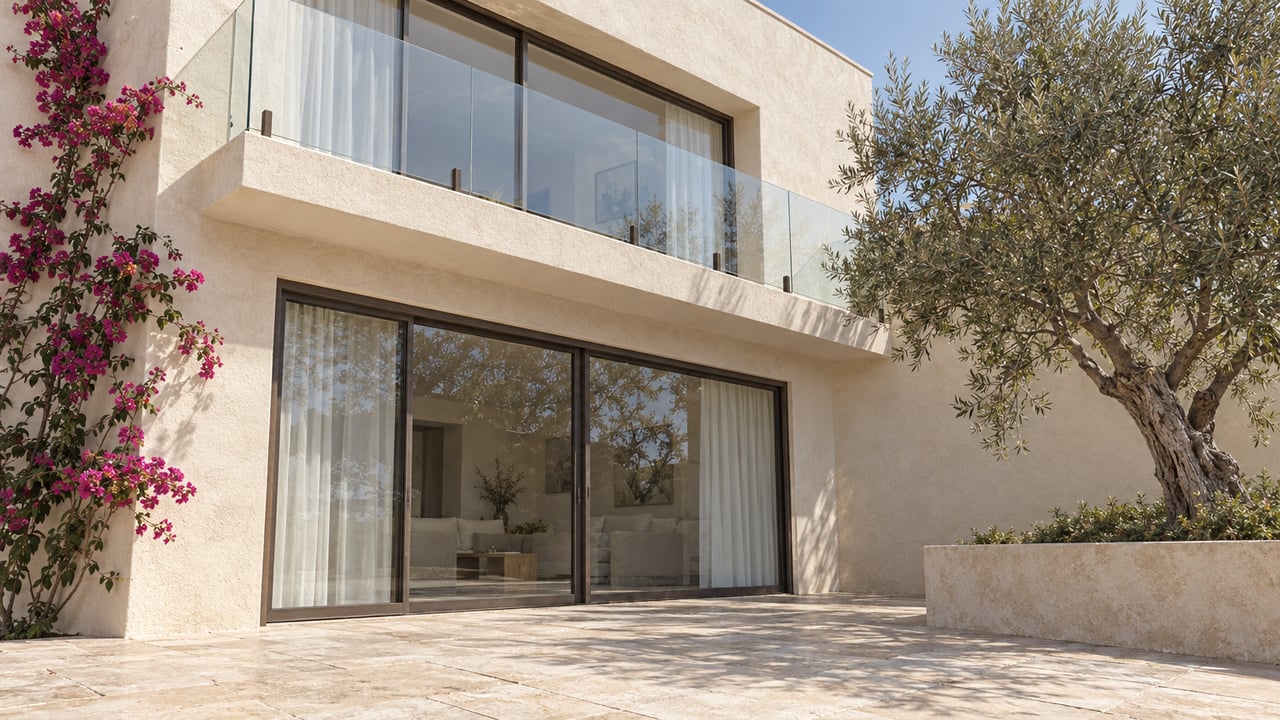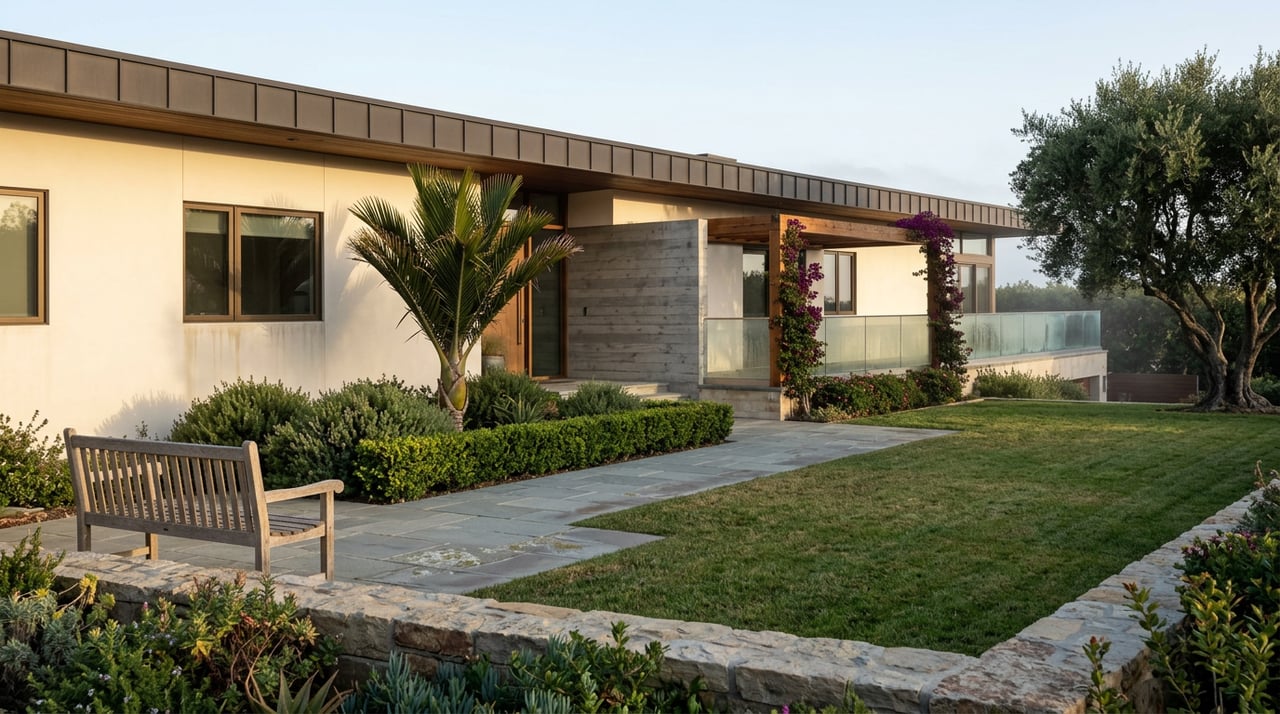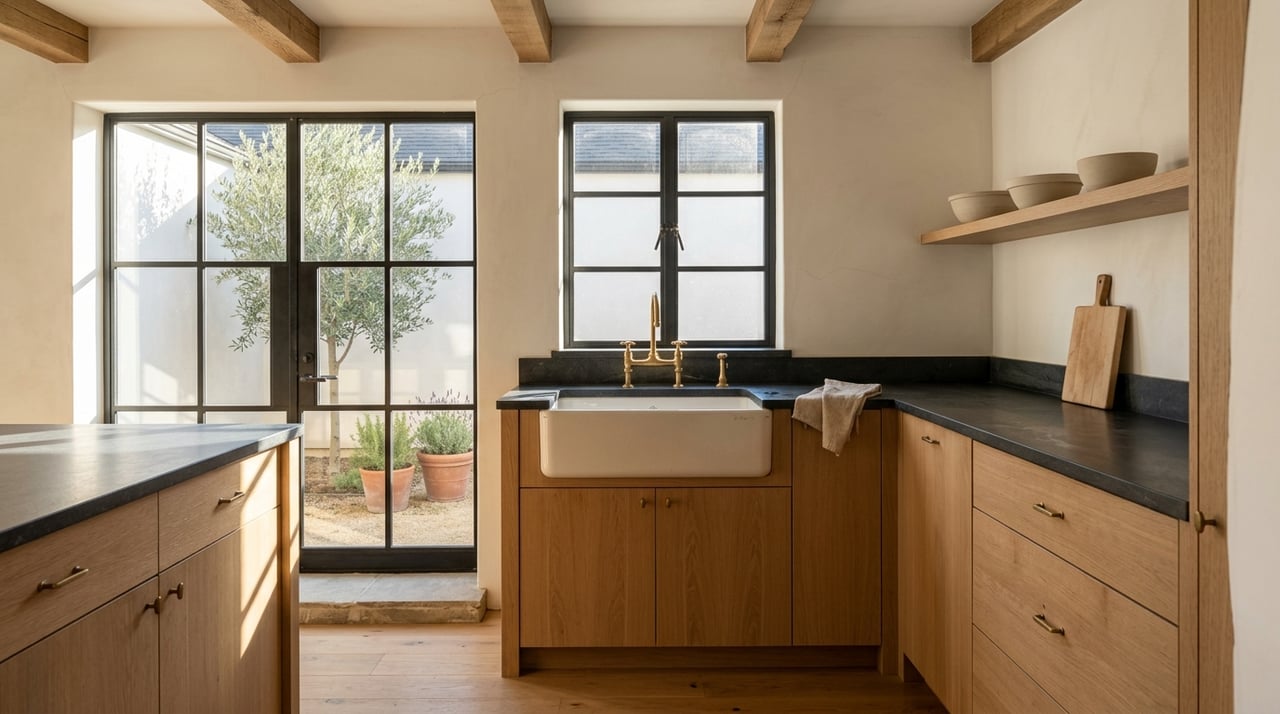
If you are dreaming about a retreat home in Los Olivos, it is easy to focus first on the beautiful part: layered textures, warm natural materials, a refined kitchen, and rooms that feel both polished and grounded. But in this part of Santa Barbara County, great design works best when it also respects rural context, county review, and the realities of older properties. This guide will help you think through design, approvals, and due diligence so you can shape a retreat that feels timeless and well planned. Let’s dive in.
Why Los Olivos design feels distinct
Los Olivos sits within the Santa Ynez Valley, an area Santa Barbara County describes as having a scenic pastoral character and a strong agricultural tradition. Because Los Olivos is unincorporated, county planning documents and the county building code are the main public framework for development and construction.
That matters if you are planning a design-focused retreat. The homes that tend to feel most successful here often work with the valley’s rural scale and agrarian backdrop, even when the interiors are elevated and highly detailed. In other words, design can be sophisticated without feeling out of place.
Start with the setting
Before you choose finishes or sketch an addition, look closely at the property’s overall relationship to the land. In Los Olivos, the setting is part of the experience, so the house, outbuildings, driveway, landscaping, and utility areas should feel connected rather than competing for attention.
This is especially important if you are buying a farmhouse or character home. A retreat property here often feels strongest when the architecture remains visually calm and the site planning supports the rural surroundings.
Rural character should guide the design
A polished retreat does not need to feel oversized or overly formal. In many cases, preserving the home’s existing silhouette, roofline, porch rhythm, and primary window openings helps maintain the character that drew you to the property in the first place.
If you plan to expand, a quieter approach is usually better. Additions often work best when they read as subordinate massing instead of a new primary form.
Know the county review process early
One of the biggest planning mistakes is treating design and approvals as separate steps. In Santa Barbara County, they are closely connected.
The County uses Boards of Architectural Review to evaluate exterior appearance on sites subject to architectural review. Depending on the project, the review process can also involve planning permits, building permits, environmental review, and permit-status tracking.
Exterior changes may need BAR review
If your remodel changes the exterior appearance of the home, architectural review may be part of the process. That can affect timelines, design decisions, and the level of documentation needed before work begins.
For digital BAR submittals, the County requires PDF files with a maximum total size of 15 MB. The plan set must include a site plan, floor plan, roof plan, and all elevations, and later-stage submissions also require architectural details and material or color boards.
Why the right team matters
That structure is one reason a design-forward retreat often benefits from experienced professionals from the start. A designer or architect who has handled Santa Barbara County review packets before can help you avoid preventable revisions and shape a design that is both beautiful and practical.
For many buyers, the most useful early team includes:
- A preservation-savvy architect or designer
- A general contractor familiar with county permitting and BAR review
- A preservation consultant if the home is older or may have historic status
- A civil engineer, surveyor, and septic or well specialist if site work is involved
Older homes need deeper due diligence
In Los Olivos, age alone does not make a home historic. That is an important distinction if you are buying an older farmhouse or another character-rich property.
California’s Historical Building Code applies to qualified historic buildings or structures, including some properties listed on local or state registers or inventories, or otherwise deemed important by the appropriate jurisdiction. The code is intended to support continued use while preserving original or restored elements and allowing reasonable alternatives.
Older does not always mean historic
A charming older house may still be a straightforward remodel. But if the property has a historic designation or inventory status, your design path may be very different.
That is why one of the first questions to answer is whether the home has any designation or inventory status at all. If it does, a preservation-first approach is often the most sensible path, with system upgrades and additions handled carefully instead of as a complete reset.
Pull records before you commit
Before purchase, or before schematic design begins, it is wise to review permit history and archived records. Santa Barbara County provides permit application status lookup, archived permit records lookup, and ADU resources, including pre-approved ADU plans.
If your retreat vision includes a guest house or similar secondary space, asking about ADU potential early can help you avoid designing around assumptions that may not hold up later.
Infrastructure can matter more than finishes
In design-driven purchases, buyers often notice cabinetry, flooring, and lighting first. In Los Olivos, though, the biggest hidden issues are often below the surface.
The Los Olivos Community Services District says it was formed in 2018 to fund facilities for sewage, wastewater, recycled water, and stormwater. Its public information also states that the state and county began requiring Los Olivos to comply with a septic-to-sewer conversion program in 2015.
Check septic, sewer, and water first
If you are considering a farmhouse or character home, verify the septic system’s condition, service history, and likely replacement timing. You should also confirm the property’s water source and whether it appears adequate for your intended use.
It is also smart to ask whether local sewer-transition planning could affect long-term costs or the order in which renovation work should happen. These issues may not be glamorous, but they can shape the budget and timeline in a major way.
Site feasibility shapes design options
On larger parcels or properties that may one day be reconfigured, county land-division standards show that water supply, sewage disposal, access, slope stability, agricultural viability, environmentally sensitive habitat, and hazards including fire can all matter.
That means site planning in Los Olivos is not just about where to place a patio or pool. It can also affect what is feasible to build, alter, or expand over time.
Design priorities that fit Los Olivos
A retreat home should feel restorative, but also rooted. In Los Olivos, that often means blending modern comfort with restraint.
The goal is usually not to erase the home’s original identity. It is to refine it.
Focus on upgrades that preserve character
The most effective renovations often prioritize kitchens, baths, and mechanical systems while keeping the home’s original proportions legible. That lets you enjoy modern function without losing the qualities that make the property memorable.
Visible equipment, extensive paving, and utility infrastructure can also change how a property reads from the street and across the site. Softening or screening those elements can help the setting continue to feel rural and composed.
A simple planning framework
If you want your retreat to feel elevated and lasting, this framework can help:
- Preserve key exterior forms where possible
- Keep additions secondary to the original structure
- Upgrade systems as carefully as finishes
- Review water and wastewater conditions early
- Confirm permit history and historic status before major planning
- Build a team that understands county approvals as well as design
How Lisa Foley can add value
Design-focused purchases often require more than a standard home search. They benefit from calm guidance, preservation awareness, and a clear understanding of how approvals and property history can influence your options.
With a background in design and historic preservation, Lisa Foley brings a thoughtful perspective to character-rich homes across Santa Barbara County. For buyers considering a Los Olivos retreat, that means a more informed approach to evaluating potential, constraints, and the kind of stewardship that protects both design integrity and long-term value.
If you are considering a retreat purchase or weighing the renovation potential of a Los Olivos property, Lisa Foley can help you navigate the process with clarity and care.
FAQs
What makes Los Olivos different for a design-focused retreat home?
- Los Olivos is an unincorporated township in the Santa Ynez Valley, so Santa Barbara County planning documents and county code are the main framework for development, and the area’s pastoral, agricultural setting often shapes what feels appropriate on site.
Does a Los Olivos remodel need architectural review?
- Projects that change exterior appearance on sites subject to architectural review can be reviewed by Santa Barbara County’s Boards of Architectural Review, and required submittals vary by project.
Is every older farmhouse in Los Olivos considered historic?
- No. A property’s age alone does not make it historic. Historic status depends on designation, inventory status, or a jurisdictional determination.
What should buyers check first on an older Los Olivos property?
- Wastewater or septic conditions and water supply are often among the most important due-diligence items, along with permit history and any possible historic designation.
Can a Los Olivos retreat property include a guest house or ADU?
- It may be possible depending on the property and applicable county rules, so it is wise to ask about ADU potential early and review county ADU resources before finalizing your design vision.