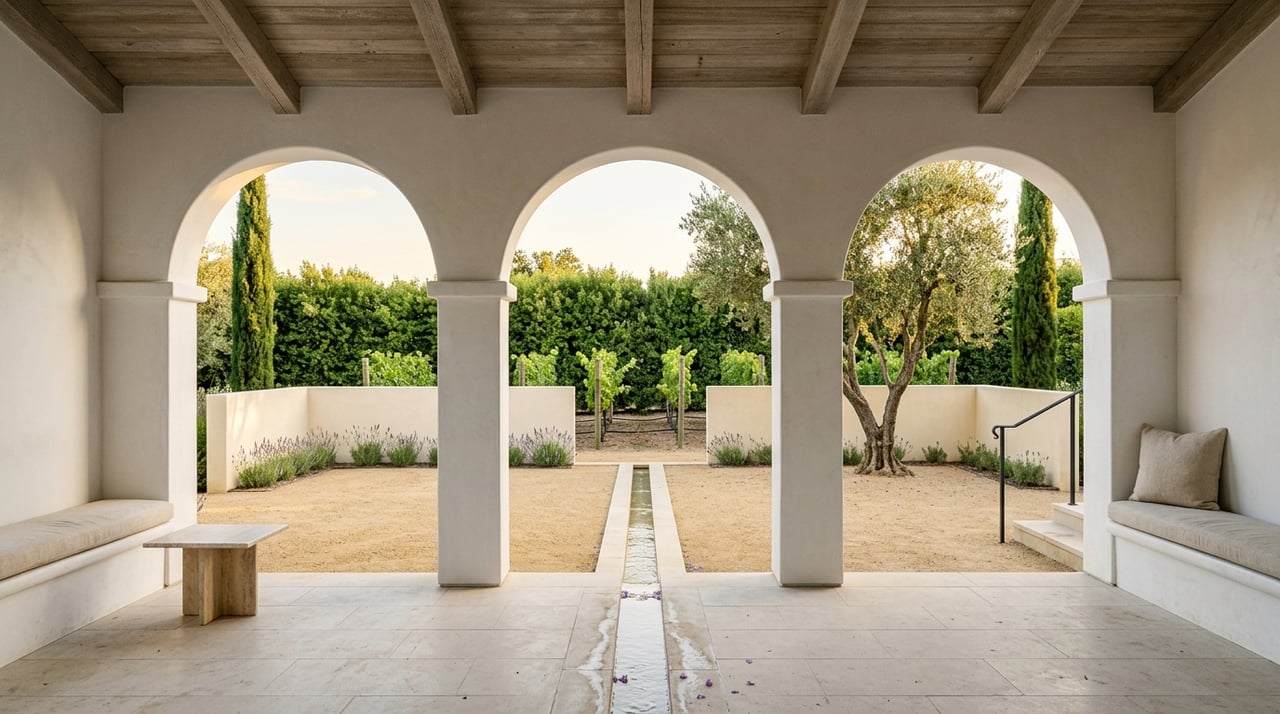
Dreaming of more land, more privacy, and a different pace than the coast can offer? For many coastal buyers in Santa Barbara County, Santa Ynez presents a compelling inland alternative, with estate properties shaped by open space, agricultural use, and a distinctly wine-country setting. If you are considering a move from the coast to the valley, understanding how these properties function is just as important as appreciating how they look. Let’s take a closer look.
Why Santa Ynez Appeals to Coastal Buyers
Santa Ynez Valley offers a very different lifestyle from the South Coast. Santa Barbara County describes the valley as an area with scenic pastoral character, a strong agricultural tradition, and a landscape that includes Santa Ynez, Ballard, Los Olivos, and surrounding rural lands. That setting often appeals to coastal owners who want more land, privacy, and flexibility than beach-adjacent neighborhoods typically provide.
The valley is also an established wine region. The Santa Ynez Valley AVA was established in 1983, reinforcing the area’s long-standing agricultural and wine-country identity. For you as a buyer, that means many estates are tied not only to residential living, but also to vineyards, equestrian uses, and broader land stewardship.
What Santa Ynez Estates Often Include
Unlike many coastal properties, Santa Ynez estates are often built around acreage first and residence second. County planning materials show that agricultural zoning in the area is designed to preserve land for long-term agricultural use, with AG-II zoning tied to minimum lot sizes of 40, 100, and 320 acres in different tiers.
In practical terms, that can mean you are looking at more than a main house and a view. County CEQA documents show examples of parcels that include a single-family home, garage, vineyard equipment barn, private well, and onsite wastewater treatment. Another filing shows a rural home site associated with large-animal and equestrian use. These examples reflect a common Santa Ynez pattern: a residence paired with agricultural infrastructure and land that may support working or recreational uses.
Expect a Different Property Profile
If you are coming from Montecito, Santa Barbara, or another coastal enclave, the property checklist changes inland. In Santa Ynez, you may see features such as:
- Private wells
- Onsite septic or wastewater systems
- Barns or equipment storage
- Vineyard rows or open agricultural acreage
- Horse-related improvements
- Larger setbacks and greater separation from neighbors
That does not make the process more difficult, but it does make diligence more important.
Why Zoning Matters Early
Because much of Santa Ynez Valley is unincorporated, county rules play a central role in what you can do with a property. Santa Barbara County provides Code and Policy Documents, along with parcel-level tools such as Find My Zoning and the Land Use Designation and Zoning Map, to help confirm how a parcel is regulated.
This matters because a property’s appearance does not always tell you what is legally allowed. A barn, vines, or open acreage may suggest certain possibilities, but uses and improvements still depend on zoning, permitting, and the parcel’s legal history.
Permit-Driven Uses to Understand
Some buyers are drawn to the idea of expanded estate use, especially on larger agricultural parcels. The county’s Agricultural Enterprise Ordinance identifies areas of focus such as farmstay use, campgrounds, small-scale special events, educational experiences, low-impact camping, and small-scale agricultural processing.
The important point is simple: these are permit-driven opportunities, not automatic rights that come with every estate parcel. If you are evaluating a property with a future vision in mind, confirming what is allowed should happen before assumptions shape the purchase.
Water Should Be a Top Priority
For coastal buyers, water is often one of the biggest mindset shifts. Santa Barbara County identifies the Santa Ynez River Valley Groundwater Basin as one of its main groundwater basins, and the Santa Ynez River Water Conservation District plays an active role in protecting water rights, managing releases from Bradbury Dam to help replenish downstream aquifers, monitoring groundwater conditions, and participating in the basin’s groundwater sustainability agencies.
The district also requires semi-annual groundwater production statements and well registration. On properties with private wells, this creates a diligence track that is very different from a typical municipal-water coastal home.
Water Questions to Ask in Escrow
County CEQA documents for vineyard parcels show the presence of private wells and onsite wastewater treatment on area properties. Early in escrow, you will want to verify:
- Well production and reliability
- Water storage capacity
- Water quality testing
- Septic or onsite wastewater capacity
- Any groundwater reporting obligations
- Any district fees, charges, or related requirements
These steps can help you understand not just the property, but the day-to-day realities of owning it.
Climate and Risk Look Different Inland
Santa Ynez is still within Santa Barbara County, but the inland setting comes with a different risk profile than many South Coast homes. County flood-control staff note that FEMA remapping includes parts of Buellton, Solvang, and Santa Ynez, and the county also maintains the Santa Ynez River Storm Monitoring System to provide advance warning of flooding along the river.
Fire-related diligence also deserves close attention. CAL FIRE states that Fire Hazard Severity Zone maps are based on factors such as fuel, topography, climate, ember movement, crown-fire potential, and fire history. The county’s Energy Assurance Map adds that Tier 3 extreme fire-risk areas run along the eastern edge of the Santa Ynez and Santa Maria Valleys, where public safety power shutoff outages can also occur.
Rainfall and Land Management
The county’s rainfall records highlight the inland difference. Santa Ynez Fire Station averages 15.75 inches of annual rainfall, compared with 18.44 inches at the county’s Santa Barbara gauge, according to county rainfall data.
For you as a buyer, the practical takeaway is that inland ownership can be more land-management intensive. Irrigation, defensible space, drainage awareness, and backup power planning may all carry more weight than they do at a typical coastal residence.
How Coastal Buyers Can Compare the Lifestyle Shift
If you are deciding between staying on the coast or purchasing inland, it helps to compare the ownership experience side by side.
| Consideration | Coastal Property | Santa Ynez Estate |
|---|---|---|
| Setting | Beach-adjacent or near-town | Rural, inland, agricultural |
| Typical lot profile | Smaller parcels | Larger acreage parcels |
| Water source | Often municipal | Often private well |
| Wastewater | Often sewer | Often onsite septic or treatment |
| Ownership focus | Residence and location | Residence plus land stewardship |
| Risk planning | Coastal and neighborhood-specific concerns | Flood, fire, water, and power diligence |
Neither option is better across the board. The right fit depends on how you want to live and how involved you want to be with the land itself.
Smart Steps Before You Buy
Santa Ynez can be an excellent match if you are looking for room to breathe, a wine-country setting, and a property with long-term versatility. Still, the smartest purchases are usually the ones approached with clear eyes and strong due diligence.
Before moving forward on a Santa Ynez estate, consider these early steps:
- Confirm the parcel’s zoning and land use designation.
- Review whether existing improvements were properly permitted.
- Verify well, water, and septic information early in escrow.
- Evaluate flood, fire, and power-risk considerations.
- Match the property’s realities to your intended lifestyle and level of land management.
A thoughtful process matters here. The beauty of a wine-country estate is real, but so is the importance of understanding how the property operates behind the scenes.
A Calm, Informed Approach Matters
For coastal buyers, Santa Ynez can feel like both a retreat and an expansion, offering more acreage, more privacy, and a more agricultural rhythm of life. It also calls for a different kind of evaluation, one that balances design, setting, utility, and long-term stewardship.
If you are weighing a move from the coast to wine country, working with an advisor who understands Santa Barbara County’s varied property types can help you ask better questions from the start. If you would like a discreet, informed conversation about your options across the greater Santa Barbara corridor, connect with Lisa Foley.
FAQs
What makes Santa Ynez estates different from coastal Santa Barbara properties?
- Santa Ynez estates often center on acreage, agricultural zoning, private wells, onsite wastewater systems, and land-management responsibilities rather than beach proximity.
What should coastal buyers verify about water on a Santa Ynez property?
- You should verify well production, storage, water quality, septic capacity, and any groundwater reporting or district-related obligations early in escrow.
What zoning issues matter when buying a Santa Ynez wine country estate?
- You should confirm the parcel’s zoning, land use designation, and whether your intended uses are allowed, since many opportunities are permit-driven rather than automatic.
What climate risks should buyers review for Santa Ynez estate properties?
- Buyers should review flood exposure, fire hazard severity, defensible-space needs, and the possibility of public safety power shutoff outages in certain valley areas.
Are all Santa Ynez estate properties allowed to host events or farmstay uses?
- No. Santa Barbara County identifies some of these uses within its Agricultural Enterprise Ordinance framework, but they are permit-driven possibilities and not guaranteed rights for every parcel.